
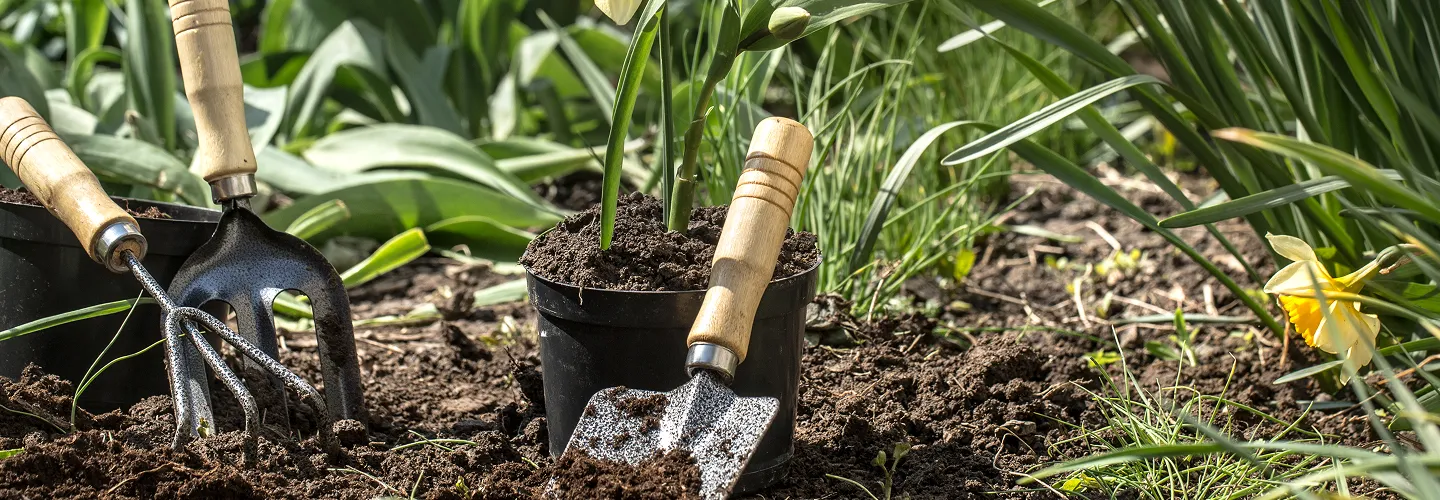
Gainesville Green Waste Disposal Services
Choose our Green Waste Disposal for reliable, environmentally responsible removal of your yard debris—keeping your property clean while supporting a greener Gainesville.
Get a Free QuoteOur Gainesville Landscaping & Yard Care Services
When to Schedule Green Waste Disposal in Gainesville, Georgia – Seasonal Guide
In Gainesville, Georgia, the best times for green waste disposal are closely tied to our unique climate and landscape. With warm, humid summers and mild winters, most homeowners find that late winter through early spring—just after the last frost date—offers an ideal window for clearing out yard debris. This timing helps prepare your property for new growth and reduces the risk of pests and disease. Neighborhoods near Lake Lanier and the shaded streets of Riverside Drive often experience heavy leaf fall and branch accumulation, making seasonal cleanups especially important.
Local environmental factors such as clay-heavy soils, frequent summer thunderstorms, and the risk of drought in late summer all play a role in determining when to schedule disposal services. Areas like Chicopee Woods and the historic Green Street district may also face municipal restrictions on disposal timing, so it’s wise to check local guidelines or consult resources like the Sudbury town website for updates. By considering Gainesville’s specific conditions, you can keep your landscape healthy and compliant year-round.
Local Factors to Consider for Green Waste Disposal in Gainesville
- Tree density and types (oak, pine, and maple are common in neighborhoods like New Holland)
- Terrain and slope, especially in hilly areas near the Chattahoochee River
- Seasonal precipitation patterns and humidity levels
- Frost dates and risk of late cold snaps
- Municipal restrictions or scheduled pickup dates
- Shade coverage and its impact on debris accumulation
- Soil type, particularly clay-rich soils that affect decomposition rates
Benefits of Green Waste Disposal in Gainesville

Eco-Friendly Landscaping Solutions
Efficient Green Waste Removal
Promotes Healthy Plant Growth
Reduces Landfill Waste
Supports Local Sustainability
Enhances Property Curb Appeal
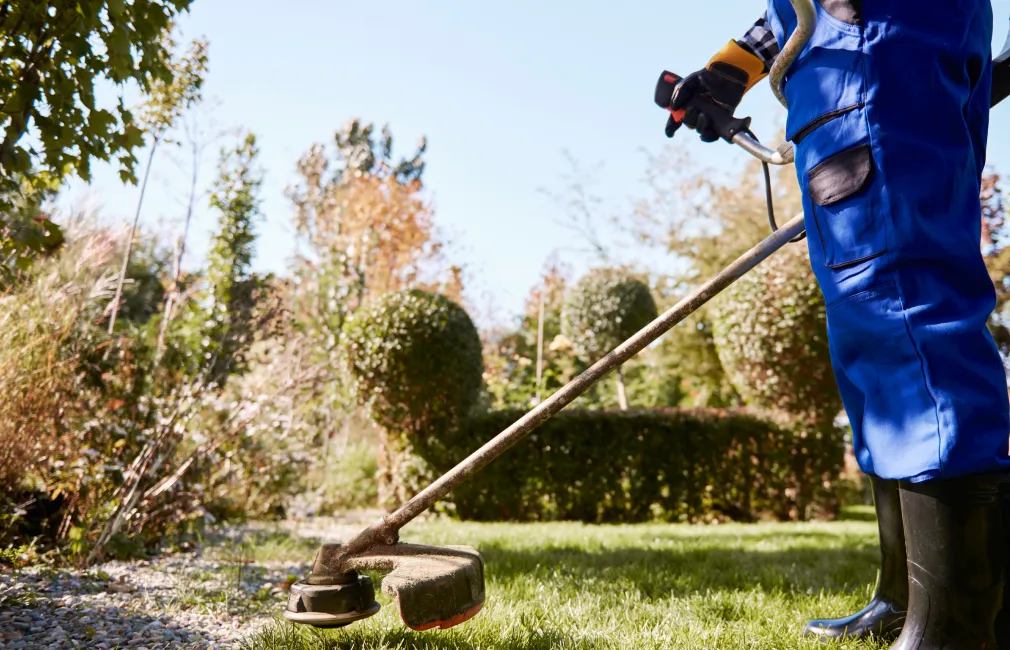
Gainesville Green Waste Disposal Types

Yard Debris Removal
-
Tree Limb Disposal
-
Grass Clipping Collection
-
Leaf Pickup Services
-
Brush and Shrub Hauling
-
Mulch Recycling
-
Stump Grinding Waste Removal
Our Green Waste Disposal Process
Collection of Green Waste
Sorting and Separation
Transport to Disposal Facility
Eco-Friendly Processing
Why Choose Gainesville Landscape Services
-
Gainesville Homeowners Trust Us
-
Expert Lawn Maintenance
-
Reliable Scheduling
-
Competitive Pricing
-
Professional Team
-
Satisfaction Guarantee
-
Personalized Service
Gainesville Public Works Yard Waste Collection Procedures and Compliance
Gainesville residents and property managers must follow specific procedures established by the Gainesville Public Works Department when placing green waste at the curb for municipal collection. Yard debris accepted under standard collection programs typically includes grass clippings, leaves, small branches, and garden trimmings. To ensure timely pickup and avoid code violations, residents should observe the following requirements:
- Brush and limb bundles must generally not exceed 4 feet in length and should be tied securely
- Loose leaf and clipping material should be bagged or containerized separately from bundled brush
- Green waste must not be placed in front of storm drains, drainage ditches, or roadway inlets
- Debris should be set at the right-of-way edge no earlier than the evening before scheduled collection
Verify current collection days and container specifications directly with the Gainesville Public Works Department, as schedules may vary by zone or season.
Gainesville Public Works Department
City Hall, 300 Henry Ward Way, Gainesville, GA 30501
Phone: (770) 535-6870
Official Website: Gainesville Public Works Department
Gainesville Code Enforcement Standards for Overgrowth and Debris Accumulation
Unmanaged green waste and accumulated yard debris on residential and commercial properties in Gainesville can trigger code enforcement action under the city's property maintenance ordinances. The Gainesville Code Enforcement division investigates complaints related to overgrown vegetation, brush piles, and debris that create nuisance conditions or obstruct sightlines. Key compliance thresholds residents should be aware of include:
- Grass and weeds on improved lots are generally required to be maintained below a height that constitutes a nuisance, often cited at 12 inches or greater in many Georgia municipalities — verify the current Gainesville threshold with Code Enforcement directly
- Brush and debris piles left on properties for extended periods may be cited as nuisance accumulations
- Frontage areas along public rights-of-way are subject to maintenance requirements regardless of ownership boundaries
- Repeat violations may result in city-contracted abatement and cost recovery against the property owner
Property managers overseeing multiple parcels should establish routine green waste removal schedules to maintain continuous compliance.
Gainesville Code Enforcement
300 Henry Ward Way, Gainesville, GA 30501
Phone: (770) 535-6820
Official Website: Gainesville Code Enforcement
Protecting Gainesville's Creeks and Stormwater Infrastructure During Green Waste Removal
Gainesville sits within the Upper Chattahoochee River watershed, and the city's drainage network connects directly to local water bodies including Flat Creek, Wahoo Creek, and Lake Lanier. Improper disposal of green waste — including grass clippings, leaves, and brush — into drainage ditches, storm inlets, or creek corridors can contribute to nutrient loading, channel blockage, and water quality degradation regulated under the Clean Water Act and monitored by the Georgia EPD Watershed Protection Branch. Residents and contractors should follow these environmental precautions:
- Never blow, rake, or dump clippings or debris into roadside ditches, curb inlets, or stream banks
- Maintain a minimum vegetated buffer between debris staging areas and any creek, pond, or drainage feature
- Compostable material should be directed to approved disposal or composting sites rather than burned or dumped near water features
- Gainesville Water Resources oversees local water quality programs and can provide guidance on buffer and drainage compliance
The Georgia EPD enforces water quality standards applicable to stormwater discharges, and violations involving debris-related runoff may carry regulatory consequences.
Gainesville Water Resources
814 Green Street, Gainesville, GA 30501
Phone: (770) 535-6790
Official Website: Gainesville Water Resources
Seasonal Green Waste Volume and Timing Considerations for Gainesville's Piedmont Climate
Gainesville falls within USDA Plant Hardiness Zone 7b, situated in Georgia's Piedmont foothills region where warm, humid summers and moderate winters produce two distinct periods of elevated green waste generation. According to the USDA Plant Hardiness Zone Map, Zone 7b experiences average annual minimum temperatures between 5°F and 10°F, with a growing season that extends from approximately late March through early November. Residents and property managers should anticipate the following seasonal waste peaks:
- Spring (March–May): Rapid warm-season turf growth, pruning of winter-damaged shrubs, and bed clearing generate high volumes of clippings and organic debris
- Summer (June–August): Weekly mowing cycles and storm-related branch drop increase debris frequency; heat and humidity accelerate decomposition of unmanaged piles
- Fall (October–November): Leaf fall from deciduous hardwoods — including oaks, maples, and sweetgums common to Gainesville's wooded neighborhoods — creates the highest single-season volume of green waste
Scheduling regular removal during these windows prevents debris accumulation that can attract pests, block drainage, and trigger code violations. UGA Cooperative Extension provides regionally specific guidance on seasonal yard management practices applicable to Gainesville's Piedmont conditions.
Gainesville's Cecil and Pacolet Soils and Their Effect on Green Waste Decomposition
According to the USDA Web Soil Survey, soils in the Gainesville area are predominantly Cecil and Pacolet series — well-drained, red clay-loam Ultisols characteristic of Georgia's Piedmont region. These soils are naturally acidic, with pH values typically ranging from 4.5 to 5.5, and exhibit moderate to high clay content that affects how organic debris breaks down on-site. Key implications for green waste disposal include:
- Grass clippings and leaf litter left on compacted clay surfaces decompose slowly and can mat into impermeable layers that impede water infiltration
- Mulched organic material incorporated into these soils can improve structure over time, but bulk debris piles should not be left directly on clay-heavy areas near drainage paths
- Composting green waste off-site or in designated bins is preferable to on-site accumulation on Gainesville's clay-dominant lots
- Steep slopes common to Gainesville's foothills topography increase the risk of debris washing into drainage corridors during rainfall events
Understanding local soil behavior helps property owners make informed decisions about on-site organic material management versus municipal collection.
What Neighborhoods Do We Serve Throughout Gainesville, GA?
- Downtown Gainesville / Historic District: Older residential lots with mature hardwood canopy generate significant leaf and branch debris seasonally; narrow streets and proximity to Flat Creek require careful debris staging to avoid drainage obstruction.
- Mundy Mill Road Corridor: A mix of established subdivisions and newer residential development with varying lot sizes; clay-heavy soils and active stormwater infrastructure make proper green waste containment especially important.
- Limestone Parkway / Limestone Road Area: Suburban neighborhoods with moderate tree cover and HOA-maintained common areas; green waste volumes peak in fall due to deciduous canopy and in spring following storm events.
- Gainesville Midtown / Green Street Neighborhoods: Densely developed residential blocks near city facilities with limited right-of-way space; debris placement must comply with city collection guidelines to avoid blocking pedestrian access.
- Chestnut Mountain / Sardis Road Area: Semi-rural and transitional neighborhoods on Gainesville's outer edges with larger wooded lots; brush and limb debris from storm damage is a recurring disposal challenge given proximity to wooded corridors.
- Browns Bridge Road / Lake Lanier Adjacent Neighborhoods: Lakefront and near-lake residential areas where green waste disposal near shoreline buffers requires particular attention to Georgia EPD Water Quality Standards and local buffer ordinances.
- Oakwood Road / East Gainesville Subdivisions: Growing residential areas with newer fill soils and active drainage infrastructure; proper green waste removal supports stormwater system performance in these developing neighborhoods.