
Gainesville Weeding Services
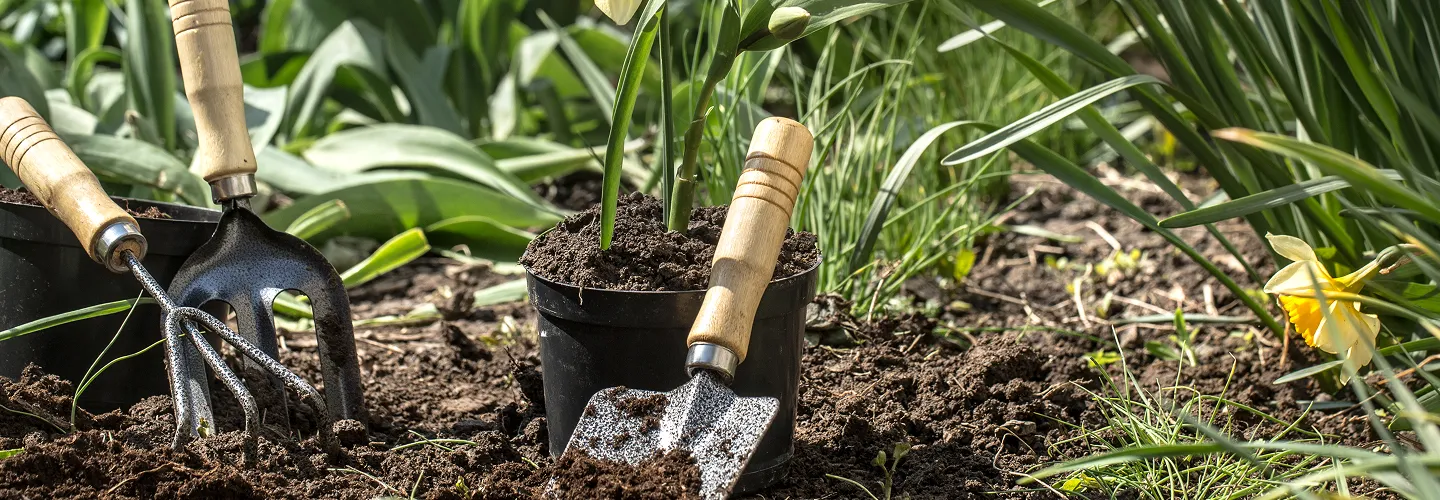
Choose our expert weeding services for a healthier, more vibrant landscape—our team removes unwanted growth efficiently, ensuring your garden thrives and looks its best all season long.
Get a Free QuoteOur Gainesville Landscaping & Yard Care Services
When to Schedule Weeding in Gainesville, Georgia – Seasonal Guide
In Gainesville, Georgia, the best times to schedule weeding are closely tied to our unique climate and landscape. Early spring and late fall are generally optimal, as these periods align with moderate temperatures and increased soil moisture, making weed removal more effective. The last frost typically occurs in late March, so beginning weeding in neighborhoods like Chattahoochee Estates or near Lake Lanier just after this date helps prevent early weed growth from taking hold. Conversely, late fall weeding—before the first frost—can reduce weed seed banks for the following year.
Local environmental factors play a significant role in determining the right timing. Gainesville’s humid summers and occasional droughts, especially in areas with dense tree coverage like Riverside Drive, can influence weed proliferation and removal success. Soil types vary from sandy loam near the downtown square to heavier clay in outlying subdivisions, affecting both weed species and the effort required for removal. For more information on local climate and environmental data, visit the Sudbury municipal resource.
Local Factors to Consider for Weeding in Gainesville
- Tree density and shade coverage (e.g., wooded lots in New Holland)
- Terrain and slope, which can impact water runoff and weed growth
- Seasonal precipitation patterns and drought risk
- Soil type variations across neighborhoods
- Municipal restrictions or guidelines on herbicide use
- Proximity to water features like Lake Lanier, which may affect humidity and weed types
Benefits of Weeding in Gainesville
Expert Local Knowledge
Eco-Friendly Weed Control
Consistent Lawn Health
Time-Saving Services
Improved Curb Appeal
Customized Landscaping Solutions
Gainesville Weeding Types

Hand Weeding
-
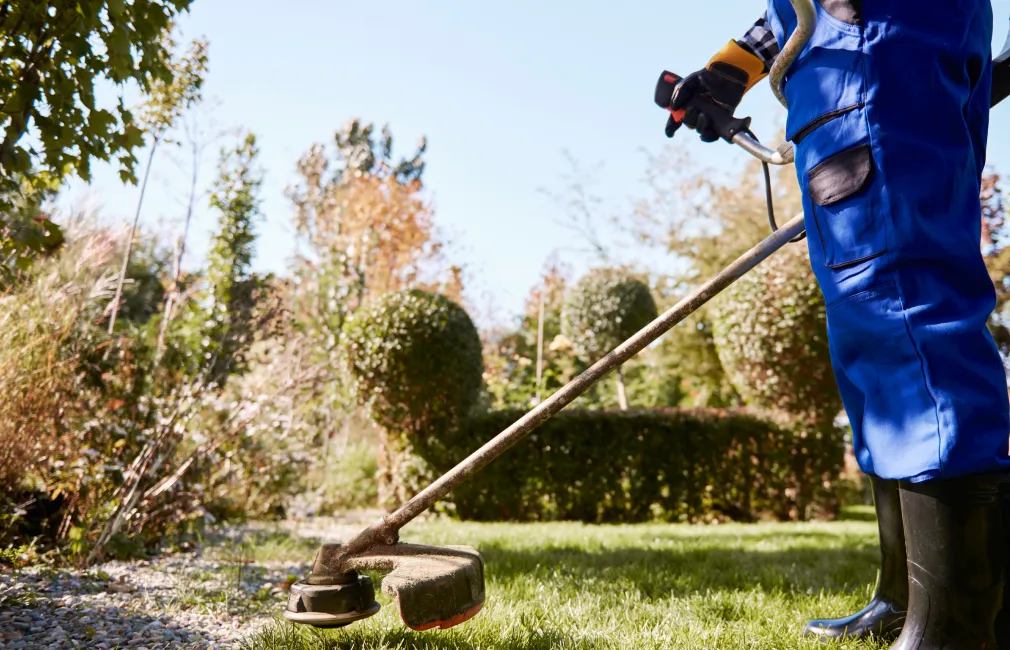
Mechanical Weeding
-
Mulching for Weed Control
-
Pre-Emergent Herbicide Application
-
Post-Emergent Herbicide Application
-
Flame Weeding
-
Organic Weed Removal
Our Weeding Process
Site Evaluation
Weed Identification
Targeted Removal
Soil Treatment
Final Inspection
Why Choose Gainesville Landscape Services
-
Gainesville Homeowners Trust Us
-
Expert Lawn Maintenance
-
Reliable Scheduling
-
Competitive Pricing
-
Professional Team
-
Satisfaction Guarantee
-
Personalized Service
Managing Weeding in Gainesville’s Red Clay and Drainage-Prone Soils
Gainesville’s landscape is shaped by Piedmont red clay soils, which are naturally acidic and prone to compaction, especially in developed neighborhoods. These soils can limit water infiltration and create runoff challenges, making weed management more complex. Effective weeding requires regular soil aeration, particularly in spring and fall, to reduce compaction and improve root health. Residents should test soil pH annually and amend with lime as needed to maintain optimal turf conditions. Key practices include:
- Aerating compacted areas at least once per year
- Applying mulch in beds to suppress weeds and retain moisture
- Monitoring for erosion on slopes and near drainage ditches For detailed soil maps and recommendations, consult the USDA Web Soil Survey and UGA Cooperative Extension.
Gainesville Public Works Yard Waste Collection and Weeding Debris Disposal
Proper disposal of weeding debris is essential for maintaining neighborhood appearance and preventing stormwater system blockages. Gainesville’s Department of Public Works provides curbside yard waste collection, but residents must follow city guidelines for bundling and container use. Key requirements include:
- Placing yard waste in biodegradable bags or approved containers
- Bundling branches and debris in lengths under 4 feet
- Keeping piles clear of storm drains and sidewalks Collection schedules and accepted materials may vary by neighborhood, so verify current procedures on the city website. Improper disposal can result in code enforcement action or fines.
Gainesville Public Works Department
300 Henry Ward Way SE, Gainesville, GA 30501
Phone: (770) 535-6883
Official Website: Gainesville Public Works Department
Protecting Gainesville Streams and Stormwater During Weeding Activities
Many Gainesville neighborhoods border creeks, ponds, or stormwater detention areas, making environmental compliance a priority during weeding. The city’s stormwater system is sensitive to sediment and chemical runoff, especially from disturbed soils or herbicide use. To protect local water quality:
- Maintain a minimum 25-foot buffer from streams and wetlands when applying herbicides
- Avoid weeding or soil disturbance during heavy rain events
- Use manual removal methods near drainage inlets and water bodies
- Dispose of all debris away from storm drains For further guidance, review Georgia EPD Watershed Protection Branch resources and city stormwater ordinances.
Gainesville Water Resources
757 Queen City Parkway SW, Gainesville, GA 30501
Phone: (770) 538-2400
Official Website: Gainesville Water Resources
Seasonal Timing and Best Practices for Weeding in Gainesville’s Climate
Gainesville is located in USDA Hardiness Zone 7b, with warm, humid summers and mild winters. Weed pressure is highest from March through October, with peak growth in late spring and early summer. Effective timing for weeding includes:
- Manual removal and mulching in early spring before weeds set seed
- Pre-emergent herbicide application in late winter (February–March)
- Regular monitoring and spot treatment throughout the growing season
- Avoiding chemical applications during drought or extreme heat Consult the National Weather Service for local forecasts and the UGA Cooperative Extension for region-specific timing recommendations.
Code Enforcement and Nuisance Vegetation Ordinances in Gainesville
Gainesville enforces property maintenance codes that address overgrown weeds and nuisance vegetation. Property owners are responsible for keeping lawns, beds, and rights-of-way free of excessive weed growth, typically defined as vegetation exceeding 12 inches in height. Failure to comply may result in warnings, citations, or abatement by the city. Key compliance steps:
- Regularly inspect and maintain all visible areas, including fence lines and ditches
- Respond promptly to code enforcement notices
- Document maintenance activities for reference For ordinance details and reporting procedures, refer to the city’s code enforcement division.
Gainesville Code Enforcement
311 Henry Ward Way SE, Gainesville, GA 30501
Phone: (770) 531-6570
Official Website: Gainesville Code Enforcement
What Neighborhoods Do We Serve Throughout Gainesville, GA?
- Longstreet Hills: Characterized by mature tree canopy and sloped lots, requiring careful weeding to prevent runoff into adjacent creeks and storm drains.
- Riverside Drive Area: Features older homes with established landscaping and compacted clay soils, making regular aeration and mulching important for weed control.
- Chicopee Woods: Proximity to wetlands and wooded corridors necessitates buffer protection and manual weeding near sensitive areas.
- Mundy Mill: Newer subdivision with fill soils and HOA standards, where weed management must address both compaction and community appearance guidelines.
- Downtown Gainesville: Includes historic properties and narrow lots, often with limited access and unique maintenance needs for visible frontage areas.
- New Holland: Mix of residential and commercial properties, with drainage ditches and utility easements requiring regular weed removal to maintain visibility and flow.
- Lake Lanier Shores: Lakeside lots with erosion-prone slopes and proximity to water, demanding extra care to prevent sediment and chemical runoff during weeding.